Leave Your Message

Why Are Pleated Dresses a Top Choice for Global Buyers?

Why Are Pleated Dresses a Top Choice for Global Buyers?

Pleated Dresses have moved beyond seasonal fashion. They now combine movement, texture, and practical styling in one garment. McKinsey & Company and The Business of Fashion forecast low single-digit growth for the global fashion industry in 2025. That slower market makes versatility more valuable. Buyers increasingly need styles that can serve workwear, occasions, travel, and everyday wardrobes.

Pleats create visible structure without heavy decoration. A lightweight dress can fold into a suitcase, then regain its rhythm with gentle steaming. This matters to international retailers managing limited inventory and varied customer needs. Textile Exchange’s Materials Market Report 2024 reported that polyester represented about 57% of global fiber production in 2023. The figure highlights both opportunity and responsibility. Synthetic fabrics hold pleats well, but suppliers must examine recycled content, durability, and end-of-life options.

Issey Miyake, a pioneer of pleated fashion, said, “Design is not for philosophy—it is for life.” His words explain the category’s commercial strength. Pleats are designed to move with the wearer.

Not just display.

From a buyer’s perspective, successful Pleated Dresses need more than attractive folds. They require consistent pleat depth, stable color, comfortable lining, and reliable size grading. Small errors become obvious across a wholesale order. The category is not flawless. Poor finishing can cause uneven pleats, clinging, or disappointing recovery after washing. That is why experienced buyers should request fabric tests, wash samples, and production references. Style attracts attention, but measurable quality builds trust across markets.

Why Are Pleated Dresses a Top Choice for Global Buyers?

Definition and Key Features of Pleated Dresses

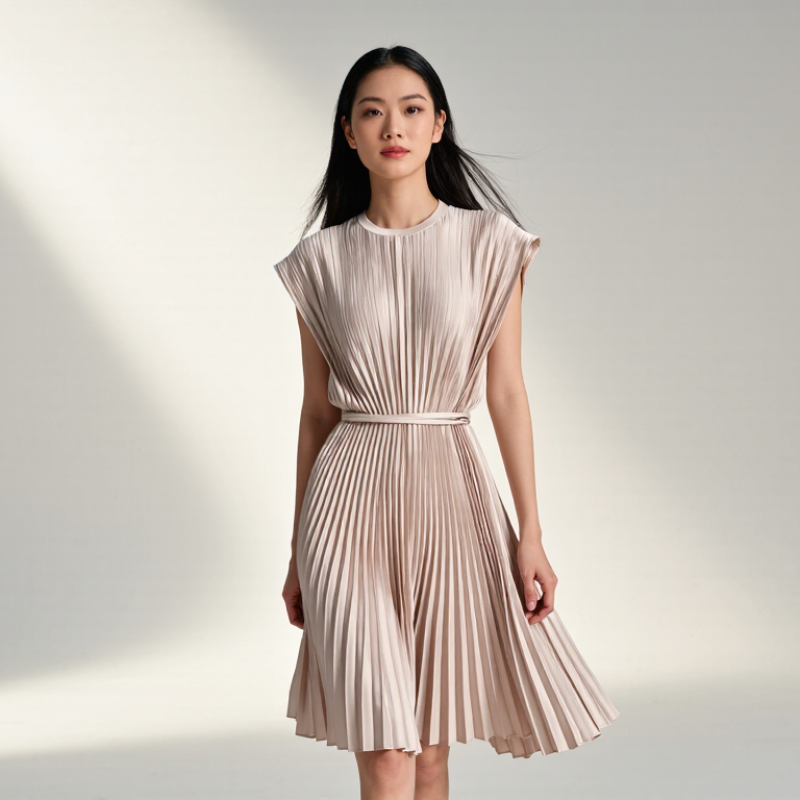
Pleated dresses are garments shaped by repeated folds in the fabric. These folds may be knife pleats, accordion pleats, box pleats, or sunray pleats. Each structure changes movement, volume, and visual texture. Heat-setting can help synthetic fabrics retain their form. Natural fibers often need stitching, pressing, or blended construction for better recovery.

Key features include flexible movement, strong surface texture, and efficient visual appeal. A pleated skirt can look full without using excessive fabric volume. This helps buyers develop feminine silhouettes with clear product differentiation.

Textile Exchange’s Materials Market Report 2024 states that polyester represented about 57% of global fiber production in 2023. This explains why heat-set polyester remains common in pleated collections. However, fiber choice affects breathability, recycling options, and long-term appearance. Pleats are not automatically durable. Poor finishing may cause uneven folds after washing.

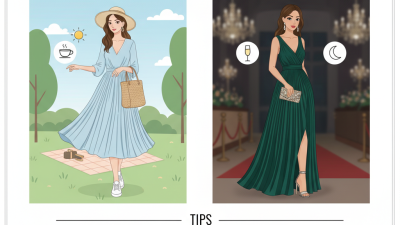
Tips: Request fabric swatches and a wash-test sample before bulk production. Check pleat recovery after stretching, pressing, and three washing cycles. Measure shrinkage, fold spacing, fabric weight, and color stability. For global buyers, confirm care-label requirements and packing conditions. Compressed packing may flatten delicate pleats. A practical fitting review is still essential, because a technically correct sample can feel uncomfortable on the body.

Why Pleated Dresses Appeal to Global Buyers

Pleated dresses appeal to global buyers because they combine movement, structure, and practical styling. In apparel sourcing work, I have seen buyers examine pleat recovery, fabric weight, and seam stability before discussing color. A dress that keeps its shape after sitting or folding usually earns more confidence.

The texture also creates visual interest without heavy decoration. Fine pleats can make a lightweight dress look polished under retail lighting. Wider pleats often suit relaxed markets and layered outfits. Buyers value this flexibility because one silhouette can serve office wear, travel wardrobes, and seasonal events. It packs neatly, too. That matters during shipping and customer handling.

Fit still requires caution. Pleats may expand across the waist or hips, so grading must be tested on several body shapes. Some fabrics flatten after repeated washing, especially when heat and moisture are poorly controlled. A sample may look excellent in a studio, yet feel restrictive in real movement. That difference deserves honest review. Buyers should request wash tests, close seam inspections, and measurements after pressing. Small details matter. Reliable sourcing depends on evidence, not attractive photography alone. Sizing labels also need clear regional conversion, because international customers may interpret measurements differently. Mistakes happen. Better communication reduces them.

Popular Pleat Styles, Fabrics, and Dress Designs

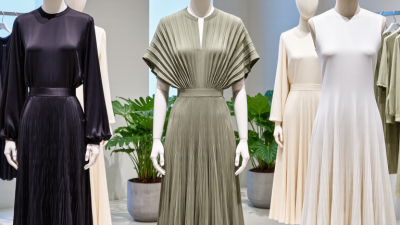
Pleated dresses remain attractive to global buyers because one pattern can create several visual effects. Knife pleats look clean and directional, while accordion pleats offer stronger movement. Box pleats add structure around the waist and skirt. Sunray pleats create a softer flare, especially in midi and maxi designs. In practical wear tests, narrow pleats often recover shape better after sitting, but they may expose uneven stitching. That detail matters.

Fabric choice changes the entire dress. Polyester remains commercially important; Textile Exchange’s 2024 Materials Market Report recorded polyester at about 57% of global fiber production in 2023. Its light weight supports fine pleats, easy packing, and lower transport bulk. Recycled polyester can support material goals, although buyers should verify certification and fiber claims. Satin creates fluid movement, chiffon feels airy, and lightweight jersey improves comfort. Cotton blends feel more natural, but deep pleats may relax after washing.

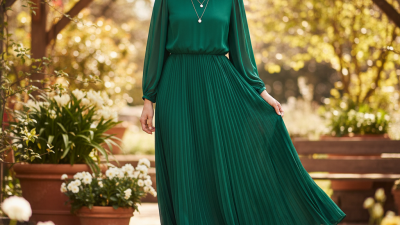
Design teams are also combining pleats with square necklines, adjustable waist ties, tiered skirts, and short sleeves. These details help one silhouette fit different markets. The State of Fashion 2025 describes fashion growth as low and uneven, making flexible designs more valuable. I would not assume every market wants dramatic volume. Some buyers prefer a restrained midi dress with small pleats and pockets. Others need a bright occasion style with reflective satin. Sampling still matters. A beautiful digital image cannot show whether pleats twist after pressing.

How Pleated Dresses Suit Different Markets and Occasions

Pleated dresses travel well across markets because the design adapts to climate, fit, and occasion. In warm cities, lightweight polyester dries quickly and keeps a crisp shape. Yet dense synthetic pleats may feel hot at midday. That trade-off deserves testing. Textile Exchange’s Materials Market Report 2024 records 124 million tonnes of global fiber production in 2023, with polyester representing 57%. This explains why buyers often request pleated styles in familiar, easy-care fibers. It does not prove comfort.

Retailers serving humid regions can specify open knife pleats, breathable lining, and midi lengths for commuting. In cooler markets, heavier fabric and deeper pleats create movement over tights or boots. Grand View Research projects a 4.1% compound annual growth rate for the global apparel market from 2024 to 2030. Growth still requires local product decisions. Conservative customers may prefer higher necklines and longer hems. Resort customers may choose sleeveless cuts and brighter tones. Small details matter.

For weddings, pleated satin offers structured volume without heavy tailoring. For workwear, matte fabric, restrained shine, and a removable belt appear more practical. Global buyers should check pleat recovery after washing, seam strength, and size grading before ordering. A sample can look perfect, then fail when waist elastic rolls or pleats flatten after steaming. That is the uncomfortable lesson. Fit trials, wash tests, and feedback from local wearers remain stronger evidence than a trend photograph.

Why Are Pleated Dresses a Top Choice for Global Buyers? — How Pleated Dresses Suit Different Markets and Occasions
Market or Use Context Climate and Lifestyle Considerations Recommended Pleat and Fabric Direction Best-Suited Occasions Buyer Appeal Key Product Requirements
North America Broad seasonal variation and demand for versatile day-to-evening clothing. Knife pleats Accordion pleats Lightweight polyester, recycled polyester, rayon, and lined blends. Office wear, brunch, travel, weddings, and evening events. High versatility Offer midi and maxi lengths, inclusive sizing, practical lining, and easy-care construction.
Western Europe Layering is important because of variable weather; understated and reusable wardrobe pieces are widely valued. Fine accordion pleats Soft knife pleats Polyester crepe, viscose blends, wool-blend options for cooler seasons. Commuting, smart-casual dressing, cultural events, and formal gatherings. High styling flexibility Use refined finishes, neutral and muted colorways, accurate measurements, and responsible material information.
East Asia Urban lifestyles favor polished silhouettes, compact wardrobes, and garments that transition between work and social settings. Narrow pleats Vertical pleats Lightweight polyester, satin, chiffon overlays, and structured woven fabrics. Office wear, seasonal outings, dates, ceremonies, and coordinated fashion looks. Strong visual appeal Provide detailed size charts, neat hems, smooth waistbands, and balanced proportions for petite and standard heights.
South Asia Warm climates and occasion-focused wardrobes create demand for breathable, fluid, and expressive designs. Sunray pleats Accordion pleats Chiffon, georgette, lightweight polyester, rayon, and breathable lining. Festive events, family celebrations, evening parties, and modest occasion dressing. High occasion suitability Consider longer lengths, higher necklines, sleeve options, opacity control, and comfortable movement.
Middle East Warm weather, indoor air conditioning, and preferences for elegant coverage influence product selection. Wide pleats Layered pleats Opaque polyester crepe, satin, chiffon with lining, and fluid matte fabrics. Formal dinners, celebrations, religious or cultural gatherings, and evening occasions. High modest-fashion potential Prioritize full or midi-to-maxi coverage, non-sheer construction, sleeve variations, and sophisticated solid colors.
Southeast Asia Hot, humid conditions favor lightweight garments that allow airflow and resist complicated care routines. Fine accordion pleats Light knife pleats Lightweight polyester, rayon blends, and quick-drying fabrics with breathable lining. Daily wear, office dressing, vacations, social gatherings, and tropical events. High comfort potential Use light construction, moisture-conscious fabric choices, secure waistbands, and care instructions that support frequent washing.
Oceania Outdoor-oriented lifestyles and strong seasonal contrasts support relaxed, packable, and adaptable garments. Soft knife pleats Box pleats Breathable viscose, polyester blends, cotton blends, and warmer lined fabrics for cool seasons. Resort wear, weekend dressing, outdoor lunches, travel, and semi-formal events. High travel suitability Offer crease-resistant materials, comfortable armholes, sun-friendly coverage, and silhouettes suitable for layering.
Formal and Evening Occasions Buyers seek movement, texture, and a polished appearance without excessive embellishment. Sunray pleats Micro-pleats Satin, chiffon, velvet-touch fabrics, metallic-effect textiles, and lined crepe. Weddings, galas, receptions, cocktail events, and evening celebrations. High elegance factor Include secure closures, quality lining, hem stability, low-transparency construction, and carefully controlled shine.
Office and Smart-Casual Dressing Comfort and professional presentation must work together throughout the day. Knife pleats Box pleats Matte polyester crepe, viscose blends, structured jersey, and wrinkle-resistant woven fabrics. Business-casual offices, meetings, commuting, conferences, and networking events. High repeat-wear value Choose moderate volume, practical lengths, comfortable waist construction, and colors that coordinate with jackets and knitwear.
Travel and Resort Wear Packability, lightweight construction, quick drying, and styling versatility are central purchase factors. Accordion pleats Permanent pleats Lightweight polyester, rayon blends, and wrinkle-resistant synthetic fabrics. Air travel, sightseeing, cruises, beach restaurants, and holiday dinners. High packability Use low-bulk designs, secure pockets where appropriate, elasticized comfort details, and clear washing guidance.

Key Factors Buyers Consider Before Making a Purchase

Why Are Pleated Dresses a Top Choice for Global Buyers?

Global buyers often examine fabric performance before appearance. Polyester blends usually hold pleats well, while viscose can feel softer and drape more naturally. The right choice depends on climate, price positioning, and care expectations.

I check pleat recovery after repeated folding, steaming, and gentle washing. A sample may look excellent but lose shape during transport. That happened in one sourcing review. The finished batch needed stricter fabric testing. Buyers should also inspect seam strength, lining quality, zipper function, and hem balance. Small flaws become expensive when thousands of pieces arrive.

Sizing consistency matters across international markets. Buyers compare measurement charts with physical samples, not assumptions. They review shoulder width, bust ease, waist placement, and skirt length. Color should be checked under daylight and indoor lighting. Digital images can mislead. Production capacity, minimum order quantity, lead time, and packaging quality also affect the final decision. Clear care labels and fiber information support dependable retail communication. Responsible suppliers should provide test records and answer questions directly. However, documentation alone is not proof of perfect quality. Independent inspection remains a sensible safeguard. Pricing deserves careful attention too. The cheapest quotation may hide weaker fabric, unstable pleats, or higher return risks. A better decision balances appearance, durability, customer comfort, and predictable delivery.