What is a Pleated Skirt Dress and How to Style It?
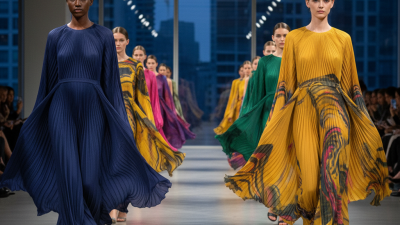
The Pleated Skirt Dress has become a popular choice in women's fashion. According to industry reports, skirts make up nearly 25% of the global dress market. The unique design of the pleated skirt creates a flattering silhouette. This dress enhances movement, making it perfect for various occasions.
People are drawn to its versatility. It can be dressed up or down effortlessly. However, many stylists still struggle with pairing it correctly. While some find it easy to style, others often miss the mark. Experimentation is key, but results can vary widely. Not every combination looks good. Recognizing this can enrich one’s fashion journey.
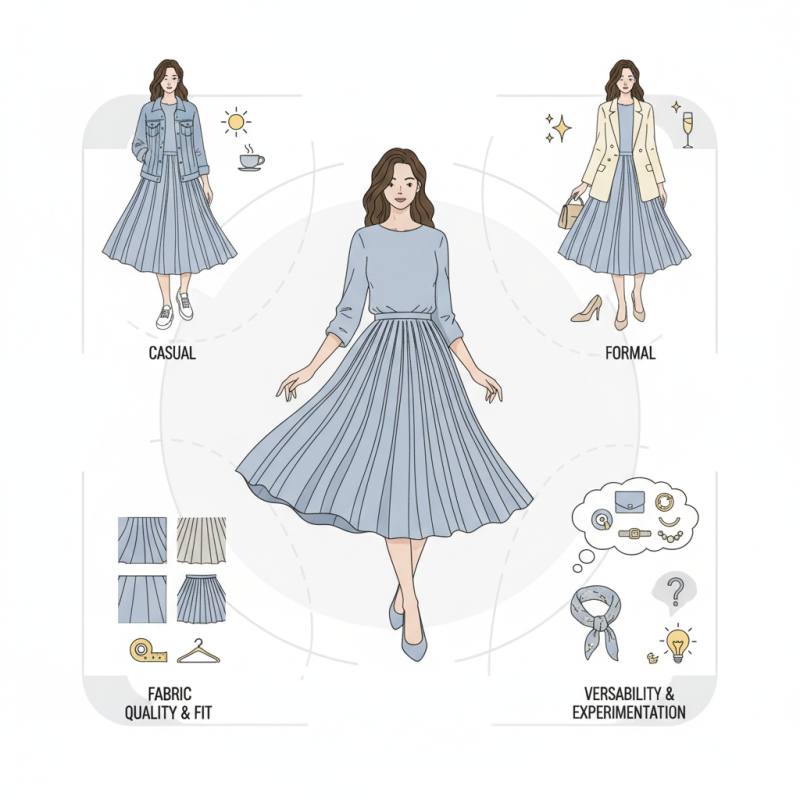
Pleated skirts can elevate a basic outfit. They invite creativity and personal expression. Yet, challenges remain. Finding the perfect fit requires attention to detail. Fabric quality can differ significantly among brands. Attention to these elements can enhance one's wardrobe while avoiding common pitfalls. Understanding how to style a Pleated Skirt Dress can transform your overall look.
What is a Pleated Skirt Dress?
A pleated skirt dress combines elegance and comfort. The dress features a fitted bodice, flowing down to pleated fabric. This design creates beautiful movement with each step. Pleats can vary in size and spacing, influencing the dress's overall silhouette. Popular materials include cotton, polyester, and silk blends. Each fabric offers a unique drape and feel.
Tips: Consider your body shape when choosing a pleated skirt dress. High-waisted styles often flatter various figures. They create an illusion of a longer torso and elongate your legs. A longer dress can work for formal events. Shorter lengths are playful and suitable for casual outings.
Layer your outfit for added depth. A fitted jacket or cardigan can work wonders. Choose neutral colors for versatility. Accessories are key; statement belts can accentuate your waist. A cute pair of flats or heels can change the look dramatically. Remember, the trick is in balancing proportions.
Ultimately, personal style matters most. Experiment with textures and colors. Some may feel overwhelmed by choices. It's okay! Finding what works takes time. Explore different combinations and embrace the journey.
History and Evolution of Pleated Skirt Dresses
Pleated skirts have a rich history that dates back to ancient civilizations. In ancient Egypt, pleats were a sign of status and wealth. They were often found in the garments of the elite. The pleating technique allowed for ease of movement, making them practical for daily life. Over time, this style captured the fascination of various cultures, evolving through the ages.
The pleated skirt dress gained popularity in the 20th century. Specifically, in the 1920s, it became a staple in women's fashion. Designers embraced pleats for their versatility, allowing for a mix of elegance and comfort. The fabric draped beautifully, adding an effortless flow to movements. Recent studies show that pleated skirt dresses account for about 15% of women's dress sales today—a significant figure in the fashion industry. However, some argue that the trend lacks innovation and often recycles outdated styles.
Modern styles can feel repetitive. Many designers rely on traditional techniques rather than pushing boundaries. Yet, the pleated skirt dress remains timeless. It adapts to seasonal trends, from casual to formal. Each season brings new colors and fabrics. However, the challenge remains: how to create fresh designs that resonate with today's fashion-forward consumer. Balancing tradition and modernity in pleated skirt dresses is essential for future relevance.
Different Fabrics Used in Pleated Skirt Dresses
Pleated skirt dresses come in various fabrics, each offering a unique look and feel. Lightweight materials like chiffon add flow and elegance, perfect for warm days. Cotton provides comfort and breathability, making it ideal for casual outings. On the other hand, a silk blend brings luxury, making it suitable for formal events.
Choosing the right fabric is essential. Pay attention to seasonality. Thicker fabrics work for cooler months, while lighter ones suit summer. Remember, the type of pleats matters too. Knife pleats create a classic look, while accordion pleats offer more texture and movement.
Tips: Always consider your body shape. Certain fabrics drape differently, impacting how the dress flatters your frame. Try dresses in different materials to see what feels best. Don't be afraid to mix textures; this can elevate your outfit. If you're unsure, start with one fabric and incorporate accessories to enhance your style.
Tips for Styling a Pleated Skirt Dress for Various Occasions
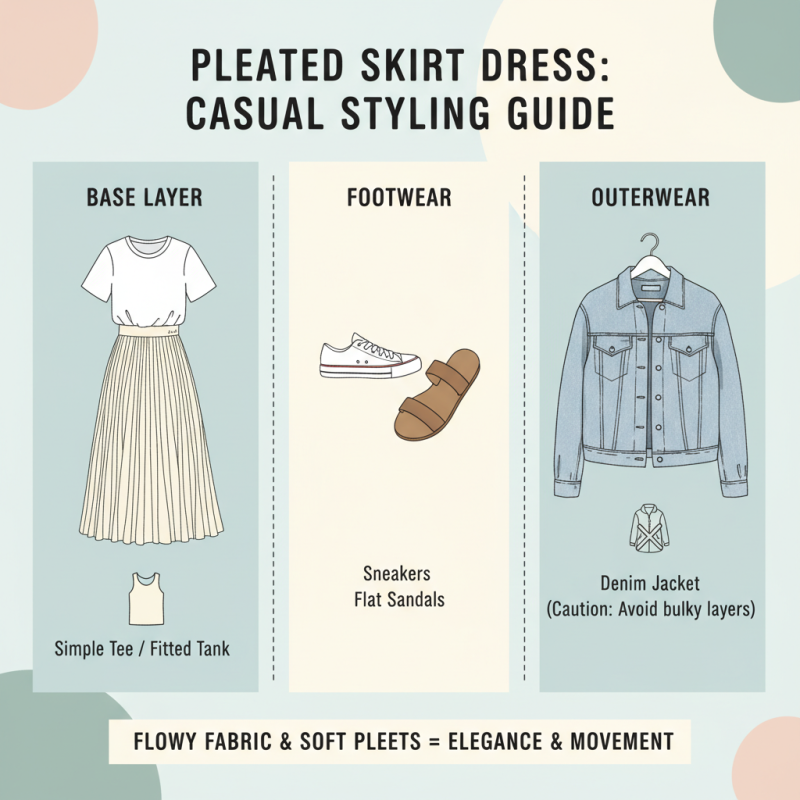
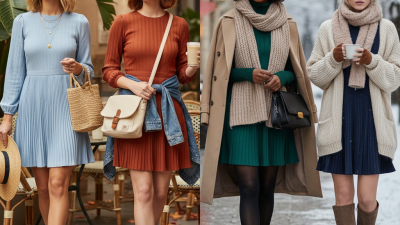
Styling a pleated skirt dress can be a fun creative process. The flowing fabric and soft pleats add movement and elegance to any look. For casual outings, pair a light pleated skirt dress with a simple tee or a fitted tank top. This keeps the vibe relaxed and comfortable. Wearing sneakers or flat sandals can change the look to a more laid-back style. Add a denim jacket if it gets chilly, but be careful not to overpower the dress’s soft lines.
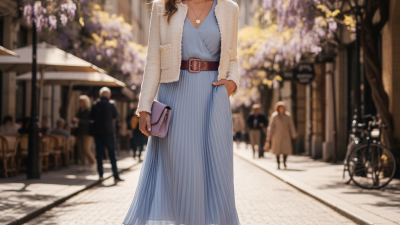
For a dressier occasion, try wearing a pleated skirt dress with a fitted blazer and chic heels. Opt for accessories that aren’t too loud. A delicate necklace or studs can enhance the outfit without overwhelming it. However, finding the right balance can be tricky. Sometimes accessories can clash, or a blazer can hide the dress's beautiful details. Pay attention to colors; neutral shades often work best in elegant settings. Experiment with bold colors too, but avoid looking too busy.
Enjoy playing with layers and styles. A cropped sweater can create a playful look, while a long cardigan can add sophistication. Remember that it’s okay if things don’t always match perfectly. Fashion is about self-expression, so embrace the imperfections. Don’t hesitate to try new combinations, even if they seem off at first. Overthinking can lead to missed opportunities to create unique outfits.
Accessorizing Your Pleated Skirt Dress for a Complete Look
Accessorizing a pleated skirt dress can truly elevate your overall look. When choosing accessories, think about balance and coordination. Delicate jewelry can complement the softness of the pleats. A simple necklace or stud earrings work well. Avoid overly chunky pieces; they could detract from the dress's elegant flow.
Footwear is another key aspect. Strappy sandals or ankle boots can add a modern twist. However, chunky shoes can sometimes feel heavy. A good balance is key. You might want to consider a stylish belt to define your waist. If the dress has a soft color, choose a matching belt or one in a bold hue. This can break up the fabric and add structure.
When it comes to bags, opt for something sleek. A small clutch can elevate the look without overwhelming it. Think about textures, too. A pleated dress paired with a woven bag can create a nice contrast. Keep experimenting with different combinations to find what works for you. It’s not always easy to get the perfect look, but that’s part of the fun.