Leave Your Message

How to Choose a White Pleated Dress in 2026?

Choosing a White Pleated Dress in 2026 requires more than following a seasonal color trend. It requires practical judgment.

The Business of Fashion and McKinsey’s State of Fashion 2025 report describes a cautious market shaped by value-conscious shoppers and slower growth. That finding matters. A beautiful dress must also justify its cost, comfort, and future use. The best choice may move from office meetings to summer ceremonies without looking disposable.

Resale is another important signal. ThredUp’s 2025 Resale Report projects the global secondhand apparel market could reach $367 billion by 2029. This suggests that quality, condition, and timeless design increasingly influence purchasing decisions. A well-made White Pleated Dress may retain more appeal when its fabric, stitching, and silhouette remain dependable.

Look closely at the pleats. They should recover after sitting, rather than staying crushed around the waist. Hold the fabric near a window. A reliable lining should prevent unwanted transparency, especially in bright daylight. Cotton blends may feel breathable, while polyester can offer sharper pleat memory and easier care. Neither option is automatically superior.

Fit deserves honest attention. Pleats can add movement, but they can also create volume around the hips. A defined waistband, adjustable straps, or a balanced A-line shape may improve comfort. Still, one recommendation cannot suit every body.

That is the imperfect part.

Care labels matter too. McKinsey’s sustainability discussions repeatedly connect product longevity with better consumption decisions. Therefore, this guide will examine fabric quality, construction, fit, maintenance, occasion, and resale potential before recommending a White Pleated Dress for 2026.

How to Choose a White Pleated Dress in 2026?

Define the Key Features of a White Pleated Dress

How to Choose a White Pleated Dress in 2026?

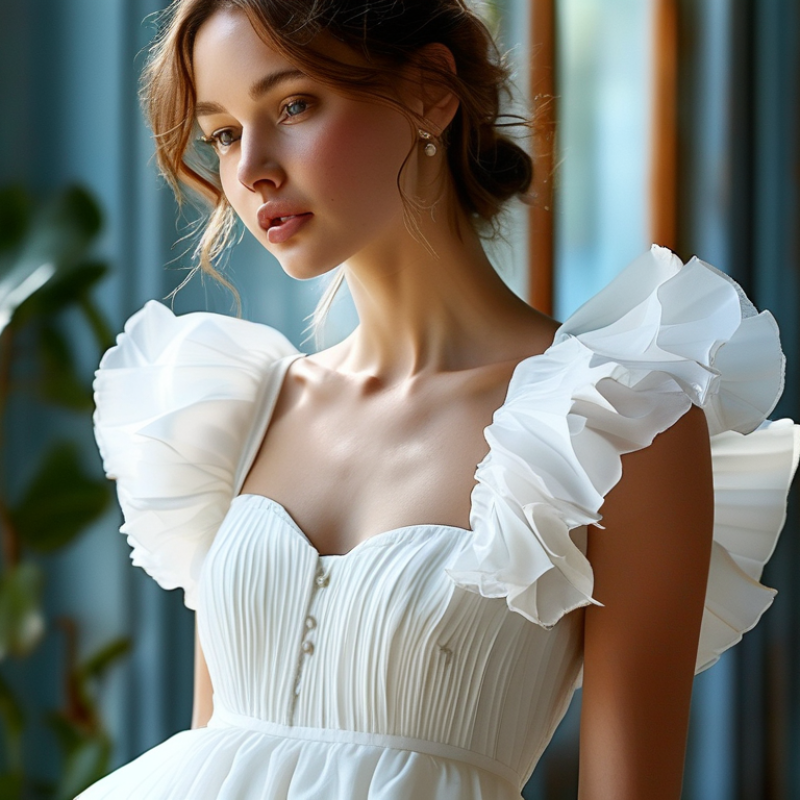
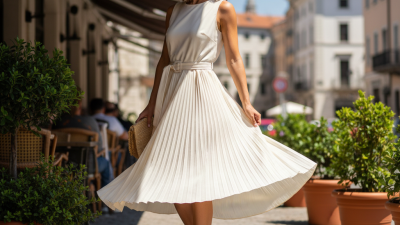
A white pleated dress should show controlled movement, not random fabric collapse. Examine the pleats from waist to hem. They should remain even when the dress hangs naturally. Fine accordion pleats create a sharper silhouette, while knife pleats look cleaner and more architectural. Fabric weight matters. Lightweight polyester holds narrow pleats well, but it may cling in humid weather. Cotton blends feel cooler, though their folds can soften after washing. Check the lining. White fabric often reveals more than expected under direct sunlight. Small details matter.

Textile Exchange’s 2024 Materials Market Report records 124 million tonnes of global fiber production in 2023. It also projects growth toward 160 million tonnes by 2030. That scale makes fabric choice worth serious attention. The State of Fashion 2025 report from The Business of Fashion and McKinsey notes that shoppers remain highly focused on value. A durable pleated dress should therefore offer reliable stitching, stable color, and practical care instructions. Run your fingers across the seams. Loose threads suggest rushed construction. Try sitting down, too. Pleats can spread across the hips and create unexpected transparency. I once preferred a dramatic, crisp finish, but it felt stiff after an hour. That choice was not perfect. Comfort deserves equal weight. Check the lining. Choose a shape that keeps its structure without restricting normal movement.

Match Pleat Types and Fabrics to Your Style

How to Choose a White Pleated Dress in 2026?

Match pleat structure with the image you want to create. Knife pleats look polished and lengthen the body. Accordion pleats create softer movement for walking or dancing. Box pleats feel architectural and suit a straighter silhouette. Sunray pleats widen gradually from the waist, but they can emphasize the hips. Try the dress in natural daylight. White fabric often reveals shadows, lining, and uneven stitching.

Fabric changes the pleat’s character. Polyester holds sharp folds well and resists wrinkling during travel. Textile Exchange’s Materials Market Report 2024 states that polyester represented about 57% of global fiber production in 2023. Cotton, which represented roughly 22%, feels cooler and more breathable, but its pleats may soften after washing. Silk blends create elegant movement, although they demand gentler care. Check the care label carefully.

I prefer a medium-weight fabric for daily wear. It hangs better. A sample fitting helps. Bend, sit, and raise your arms before buying. The waist should stay flat, while the pleats should reopen without pulling. I once chose a beautiful lightweight dress that became transparent under bright light. That mistake still matters. A reliable choice includes a full lining, secure seams, and enough room for natural movement.

The perfect pleat is not always the sharpest one.

Choose the Right Fit, Length, and Silhouette

How to Choose a White Pleated Dress in 2026?

Fit should come before decoration. A white pleated dress can look elegant, but tight pleats may pull across the bust or waist. Measure your fullest bust, natural waist, and hips while wearing the undergarments you plan to use. The National Retail Federation and Appriss Retail reported that 16.9% of U.S. retail sales were returned in 2024, worth about $890 billion. Poor fit remains an important practical concern. Check the garment’s actual measurements, not only the size label. Labels are inconsistent.

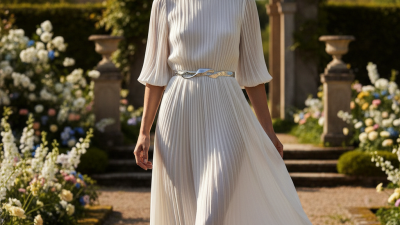
Length changes the dress’s character. A midi hem, ending around mid-calf, usually feels polished and versatile. It can also shorten the legs visually on some body proportions. A dress ending just above the knee feels lighter, while an ankle-length style creates stronger movement. Walk, sit, and climb a few steps before choosing. The fabric should skim your body without catching around the knees. Small details matter.

Silhouette should support the pleats. An A-line shape gives the skirt room and balances a fitted bodice. A column silhouette looks refined but may reveal every fold underneath. If your waist is defined, a belted or softly shaped design can add structure. If comfort matters more, choose a relaxed waist and narrower pleats. I often prefer a lining with breathable coverage, although it can make white fabric feel warmer. That trade-off is easy to miss. Check transparency near a window, not only under store lighting.

How to Choose a White Pleated Dress in 2026? - Choose the Right Fit, Length, and Silhouette

Use this practical guide to compare body measurements, garment ease, dress length, and pleat structure before choosing a white pleated dress.

Dress Profile Typical Length Recommended Fit Suggested Ease Pleat Structure Best For Selection Notes
Mini 30–34 in (76–86 cm) Fitted through the bodice with a relaxed skirt 1–2 in at the bust
2–3 in at the waist
Fine or accordion pleats Petite frames, casual events, warm-weather styling Check the seated hemline and choose an opaque lining for white fabric.
Knee-Length 36–40 in (91–102 cm) Clean waist definition with moderate skirt movement 1–2 in at the bust
2–3 in at the waist
Knife pleats or soft box pleats Office-friendly wardrobes and daytime occasions A structured waistband helps maintain shape without compressing the waist.
Midi 44–50 in (112–127 cm) Semi-fitted bodice with an A-line or softly flared skirt 2–3 in at the bust
2–4 in at the waist
Accordion or sunray pleats Most body shapes, weddings, garden events, and smart-casual wear The most versatile length; wear with low heels or streamlined flats to balance volume.
Maxi 52–60 in (132–152 cm) Skimming rather than body-hugging 2–3 in at the bust
3–4 in at the waist
Wide box pleats or deep knife pleats Taller proportions, formal settings, and resort dressing Measure from the shoulder or natural waist to the floor and allow for footwear height.
Sheath 38–46 in (97–117 cm) Close fit with controlled ease for sitting and movement 1–2 in at the bust
1–2 in at the waist
1–2 in at the hip
Vertical or pressed pleats Streamlined styling and formal daytime occasions Choose stretch lining or a back vent if the outer fabric has limited flexibility.
A-Line 40–52 in (102–132 cm) Fitted at the shoulders and waist, gradually widening at the hem 1–2 in at the bust
2–4 in at the waist and hip
Knife pleats or graduated pleats Pear, rectangle, and hourglass proportions A defined waist and evenly distributed pleats create balanced vertical lines.
Fit-and-Flare 38–50 in (97–127 cm) Close through the bodice with a fuller skirt 1–2 in at the bust
2–3 in at the waist
4–6 in at the hem
Full accordion or sunray pleats Hourglass, pear, and athletic proportions Confirm that the waist seam sits at the natural waist rather than above or below it.
Relaxed Shift 34–46 in (86–117 cm) Loose and straight with minimal waist shaping 3–5 in at the bust
3–5 in at the waist
Texture-adding micro-pleats Comfort-focused dressing and straight or rectangular body shapes Keep the shoulder fit accurate; excessive width can make a white dress look bulky.
Fit checkpoint: Measure the fullest part of the bust and hip, the narrowest part of the natural waist, and the shoulder-to-hem length. When between sizes, prioritize the largest required measurement and adjust the waist or straps if possible.

Measurements are practical apparel-selection ranges in U.S. inches and centimeters. Actual fit varies by fabric weight, lining, pleat compression, construction, and individual body proportions.

Coordinate Shoes, Accessories, and Seasonal Layers

How to Choose a White Pleated Dress in 2026?

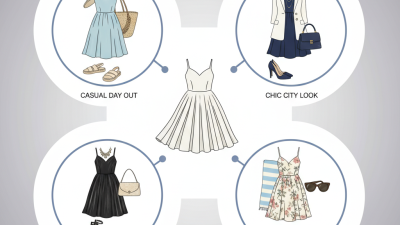
A white pleated dress creates movement, but styling depends on its fabric and length. Lightweight cotton suits warm days and casual leather sandals. Satin pleats look more polished with pointed flats or low heels. Check the hem before choosing shoes. A midi dress usually needs a slimmer shoe, while a shorter style can handle sneakers or ankle boots.

Keep accessories quiet. A small woven bag adds texture without competing with the pleats. Silver earrings can sharpen a clean white dress, while warm metal creates a softer effect. I recommend testing jewelry in daylight. Some white fabrics reflect strong light and may make bright accessories look harsh. Keep it simple.

Seasonal layers should protect the silhouette. In spring, try a cropped cardigan or a short utility jacket. Summer may need only a light scarf for cool evenings. During autumn, a fine knit sweater or tailored coat adds warmth without hiding the waist. Winter requires careful balance, because bulky layers can flatten the pleats. Not always.

I have found that comfort changes the entire outfit. Shoes that look elegant for ten minutes may feel wrong after an hour. Walk, sit, and check the dress from different angles before leaving home. White fabric also shows marks easily, so inspect the care label and carry a small cleaning cloth. My own mistake was choosing beauty over movement. The dress looked excellent, but the stiff shoes ruined the day.

Check Quality, Care Needs, and 2026 Fashion Relevance

How to Choose a White Pleated Dress in 2026?

A good white pleated dress starts with fabric inspection. Hold it near a window. If your hand shadow shows clearly, the dress may need a lining. Check whether each pleat returns after gentle pressing. Uneven folds often become more obvious while walking. Run two fingers along the side seams. They should feel flat, not scratchy or twisted. The hem should hang evenly, especially on midi and maxi lengths.

Care instructions matter as much as appearance. Look for clear washing guidance before buying. Some pleats survive a cold, delicate wash, while others need steaming or professional cleaning. Never assume white fabric is effortless. Creamy stains, makeup, and underarm marks appear quickly. Store the dress on a wide hanger, and avoid crushing it under heavy clothes. I once underestimated storage space. The pleats looked tired within weeks.

For 2026, relevance means practical style, not chasing every runway image. Soft volume, breathable blends, and adjustable waists fit current preferences for comfort. A removable belt can change the silhouette without making the dress feel dated. Choose a length that works with flat shoes and simple sandals. Check the fabric under indoor lighting too. White can look bright outside but gray indoors. My own judgment is imperfect here; trend forecasts change quickly. A durable dress with careful construction may outlast a more fashionable cut. That matters.