10 Best Pleats Please Outfit Ideas for Effortless Style and Comfort?
Pleats Please outfits have become a staple for modern fashion lovers. Their unique design emphasizes both comfort and style. Renowned fashion expert, Anna Wintour, once remarked, "A great outfit can transform your day." That is exactly what Pleats Please outfits aim to achieve.
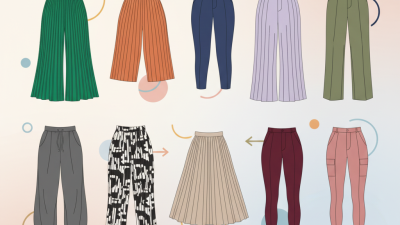
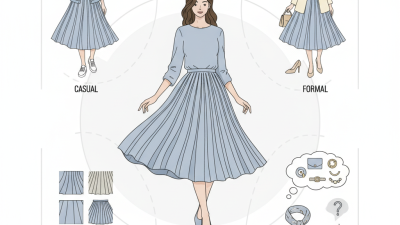
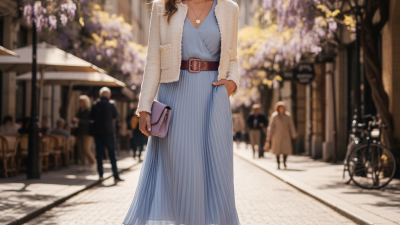
The versatility of these garments allows for various styles. Whether you prefer a casual look or something more sophisticated, there’s a Pleats Please outfit for everyone. Imagine flowing skirts paired with simple tops, or chic dresses that glide with every step. The textures are inviting, adding depth and character to your wardrobe.
Still, it’s essential to reflect on the challenges of styling. Finding the right fit can be tricky. The drape may alter based on body shape. Not every design suits everyone. Embracing imperfections can lead to more authentic choices. With some thought, Pleats Please outfits can be an effortless addition to your style. Let's explore the possibilities!
The Evolution of Pleats in Fashion: A Brief Historical Overview
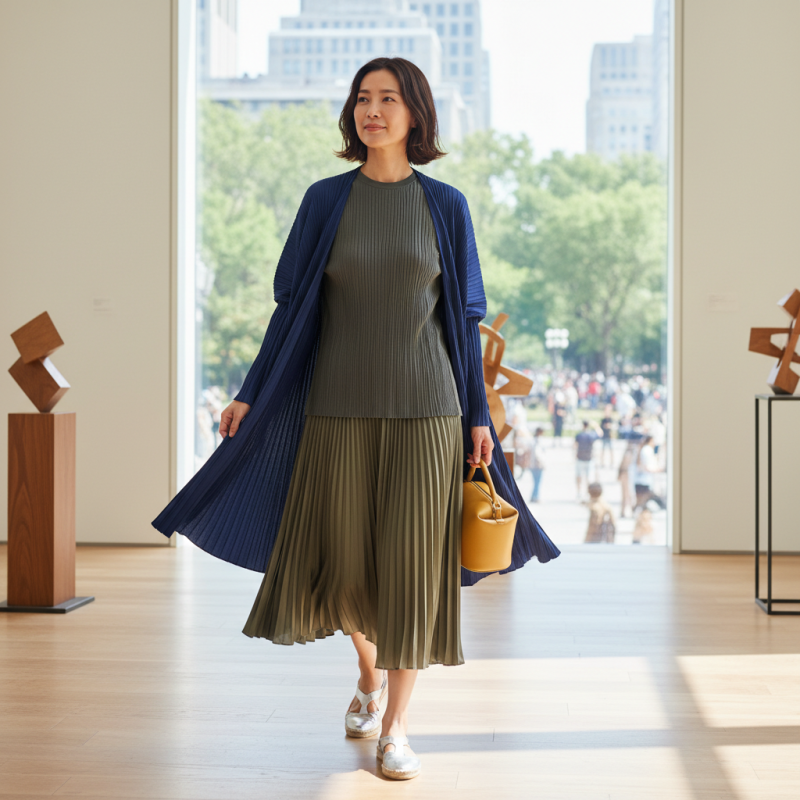
Pleats have a rich history in fashion, evolving over centuries. Initially, they served a practical purpose. They provided ease of movement, especially in garments worn by laborers. This distinctive feature became notable during the Middle Ages, when fabric manipulation showcased craftsmanship. Each pleat was meticulously folded, adding texture and depth to clothing.
As fashion progressed, pleats transformed into a symbol of elegance. They adapted to modern styles yet retained their classic charm. In the 20th century, designers began to experiment. Pleats appeared in skirts, blouses, and even trousers. This diversification led to various interpretations, making pleats accessible to everyone. However, this evolution was not without flaws. Some trends felt gimmicky, leading to overexposure in mainstream fashion.
Today, pleats find their way into casual and formal wear alike. They offer versatility but can be tricky to style. The wrong fabric or cut may lead to a bulky appearance. It’s vital to pay attention to fit. Refreshing pleats in outfits provides comfort, pairing seamlessly with various looks. Yet, many fashion enthusiasts may struggle to find the perfect pleated piece. The journey of pleats continues, inviting exploration and personal expression.
10 Best Pleats Please Outfit Ideas for Effortless Style and Comfort
| Outfit Idea |
Main Color |
Occasion |
Comfort Index |
| Pleated Midi Skirt with Turtleneck |
Navy Blue |
Casual |
8/10 |
| Pleated Wide-Leg Trousers |
Black |
Formal |
9/10 |
| Pleated Dress with Belt |
Pastel Pink |
Party |
7/10 |
| Pleated Culottes with a Basic Tee |
Olive Green |
Everyday |
9/10 |
| Pleated A-Line Skirt with Blazer |
Charcoal Grey |
Business Casual |
8/10 |
| Pleated Mini Skirt with Oversized Sweater |
Light Beige |
Casual |
9/10 |
| Pleated Palazzos with Crop Top |
Bright Red |
Summer Outing |
8/10 |
| Pleated Jumpsuit |
Emerald Green |
Cocktail |
7/10 |
| Pleated Skirt with Denim Jacket |
Light Blue |
Brunch |
9/10 |
| Pleated Skirt Suit |
Royal Blue |
Professional Meeting |
8/10 |
Understanding the Unique Fabric Technology Behind Pleats Please Garments
Pleats Please garments are known for their unique fabric technology. This innovation is rooted in pleating techniques that create texture and movement. The fabric’s lightweight nature allows for breathability and comfort. It's designed to adapt to body shapes, promoting ease of wear. The versatility of this fabric makes it suitable for various occasions.
According to a 2022 report by the Fashion Institute, such innovative fabrics are gaining popularity, with consumer preference shifting toward comfort. Nearly 72% of consumers now prioritize comfort over style. While pleated designs may seem simple, they require intricate craftsmanship. This balance between artistry and functionality can lead to imperfections in the final product. Some garments might not drape perfectly on every body type, leading to a need for fit adjustments.
Sustainability is also a key factor. Many modern pleats use recycled materials, reducing environmental impact. However, the production process can sometimes be energy-intensive. As designers strive for eco-friendliness, challenges persist. These challenges often call for further innovation in fabric technology. Embracing a balance between comfort, style, and sustainability is essential in the fashion industry.
10 Best Pleats Please Outfit Ideas for Effortless Style and Comfort
Best Color Combinations for Pleats Please Outfits: A Data-Driven Approach
When it comes to pleated outfits, color combinations can make a significant impact on style. A recent report from the Fashion Color Institute emphasizes that pastel shades are making a comeback. Soft pinks and light blues contribute to a calming aesthetic. They can create a harmonious look that’s both relaxed and chic. Such colors pair well with pleated fabrics, enhancing their flow and drape.
Another study from the Textile Research Journal highlights the effectiveness of monochromatic schemes. Layering different shades of the same color adds depth to an outfit. For example, pairing a deep green pleated skirt with a lighter green top can be incredibly stylish. However, one must be cautious; not every combination will flatter your silhouette. Testing colors in front of a mirror or mixing fabrics can prevent mismatch disasters.
While bold colors like bright orange or yellow can add a pop, they may overwhelm the pleats. A careful balance is crucial. Statistics show that 70% of fashion consumers prefer outfits that convey comfort alongside style. Yet, relying on trending colors without experimentation can lead to a wardrobe that lacks versatility. It’s vital to self-reflect on personal style preferences when choosing colors. Striking the right balance can elevate a simple pleated outfit into a fashion statement.
Styling Pleats Please for Different Body Types: Expert Recommendations
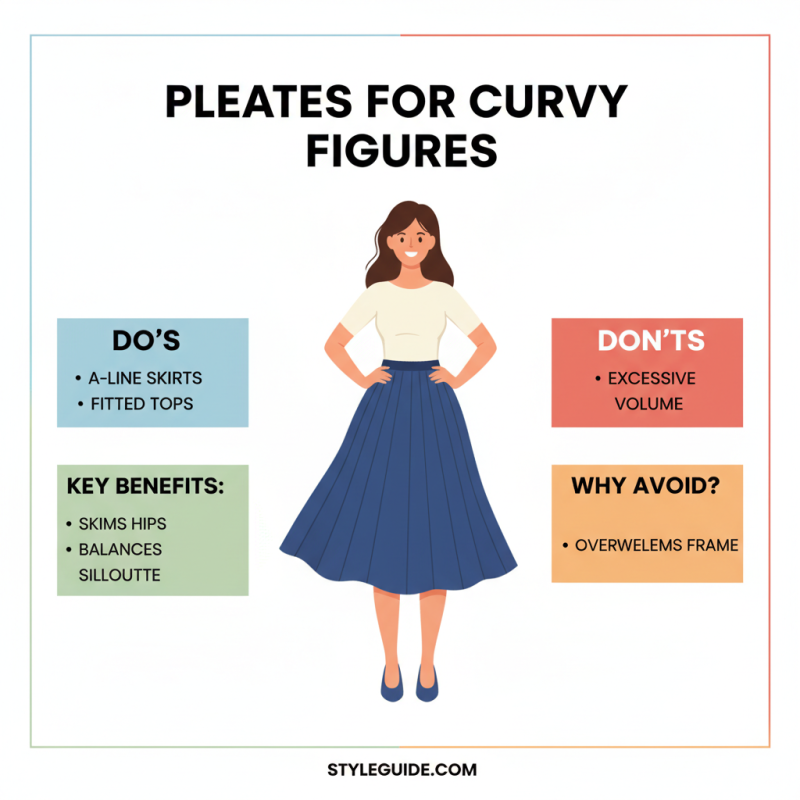
When styling pleated pieces, understanding body types is crucial. Different shapes can showcase pleats in unique ways. For curvy figures, opt for A-line skirts that skim the hips while providing a playful movement. Pair them with fitted tops to balance the silhouette. Avoid excessive volume, as it may overwhelm your frame.
For those with athletic builds, try structured pleats that add dimension. A pleated dress with a defined waist can create the illusion of curves. Experiment with layering; a soft jacket or cardigan can enhance the overall look. This combination can be casual yet polished, perfect for any occasion.
**Tips:** Choose lighter fabrics to enhance flow. Darker colors can trim the silhouette. Have fun with accessories; a belt can add shape and interest. Remember, comfort is key. Be mindful of how each piece fits on your body. Sometimes, what looks good in the mirror may not feel right. Reflect on your comfort as you explore.
The Environmental Impact of Pleats Please: Fashion Sustainability Insights
As fashion evolves, sustainability takes center stage. The pleating technique, often associated with elegance, raises questions about its environmental impact. The fashion industry contributes to 10% of global carbon emissions. Many consumers remain unaware of this staggering statistic.
Recycling and upcycling are becoming essential practices. For instance, the lifespan of a clothing item can reduce environmental damage. One study shows that extending a garment’s life by just nine months reduces carbon, water, and waste footprints by 20-30%. However, many pleated garments are often discarded after brief use. This is a significant area for reflection.
Sustainable production methods are crucial. The production of synthetic fabrics often involves harmful chemicals. The use of natural materials can pave the way for more eco-friendly options. Yet, such alternatives are often overlooked in fast fashion. Responsible choices can lead to a more sustainable future in pleats. It’s essential to rethink and reassess our shopping habits for the sake of the planet.